- 201 Charlotte St, Brisbane City QLD 4000
- (234) 567-8912
- example@domain.com

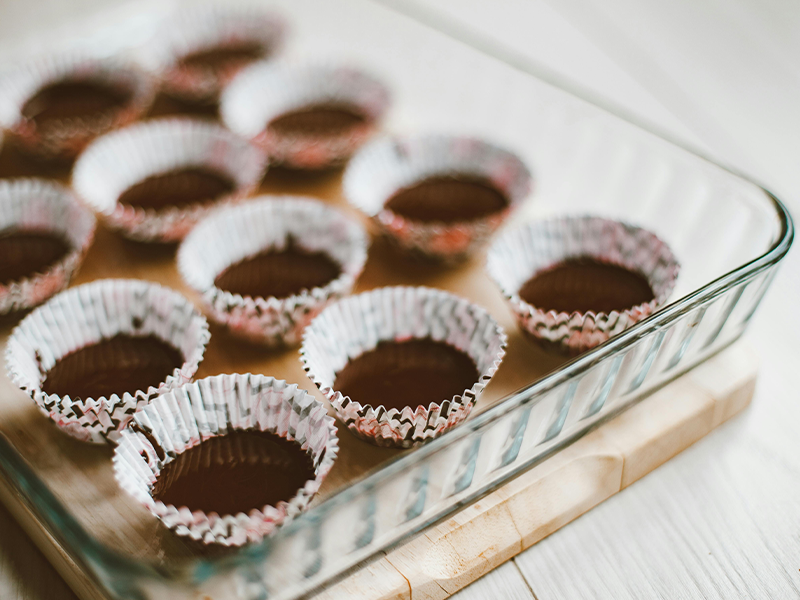
Glass has long been a staple material for food storage, preparation, and presentation. In recent years, as consumer awareness of food safety continues to rise, heat-resistant glassware has become increasingly popular in everyday life. Known for its durability, safety, and thermal performance, heat-resistant glass is widely used in kitchenware, cookware, and food-contact containers. However, not all products marketed as “heat-resistant” meet the rigorous safety standards required for consumer use. This article explores what heat-resistant glass is, why it matters, and what consumers need to know to make informed choices.
What Is Heat-Resistant Glass?
Heat-resistant glass is specially engineered to withstand sudden changes in temperature without breaking or deforming. Most heat-resistant glass products are made from borosilicate glass, which contains silica and boron trioxide. This composition gives the glass a low coefficient of thermal expansion, making it less likely to crack under thermal shock.
In comparison to regular soda-lime glass, borosilicate glass offers significantly higher thermal and chemical stability. This makes it ideal for use in microwave ovens, ovens, and direct flame cooking. Common products include baking dishes, teapots, storage containers, and measuring cups.
Key Safety Indicators and What They Mean
When it comes to evaluating the safety of heat-resistant glass, several indicators are critical:
Tempered vs. Heat-Resistant Glass: Know the Difference
Not all glassware labeled as “heat-resistant” is made equally. It’s essential to distinguish between tempered glass and borosilicate (heat-resistant) glass:
Countries like Japan have clear regulations prohibiting the use of tempered glass in microwaves and ovens. Unfortunately, in some markets, non-tempered or regular glass is sometimes falsely sold as tempered or heat-resistant, posing significant risks to consumers.
The Cost of Safety: Why Heat-Resistant Glass Costs More
Manufacturing heat-resistant glass involves more complex processes, higher-quality raw materials, and stricter quality controls. As a result, these products are inherently more expensive. If a product is labeled as heat-resistant but comes at a suspiciously low price, consumers should be cautious—it may not meet genuine safety standards.
What Consumers Should Look For
To protect yourself and your family, here are key points to consider when buying glassware:
Conclusion: Safety First, Informed Always
Heat-resistant glassware plays an essential role in modern kitchens, offering safety, durability, and versatility. However, the growing popularity of these products has also led to an increase in mislabeling and substandard goods in the market. Understanding the differences between glass types, recognizing quality indicators, and staying informed about safety standards are key to making smart purchasing decisions.
At ISATE, we are committed to offering high-quality glass products that meet stringent safety and performance standards. Whether for cooking, serving, or storing food, our heat-resistant glass solutions are engineered to support healthier and safer lifestyles.
Choose glassware wisely—because your safety is never optional.